Your healing after a tummy tuck and liposuction does not end when you leave the operating room – it truly starts in the days that follow. One of the most powerful yet often misunderstood phases in this recovery way is lymphatic drainage massage in Riyadh. When performed at the right time, it can dramatically reduce swelling, prevent fluid buildup, and accelerate your return to a smooth, sculpted silhouette.
Let’s explore When to get a lymphatic drainage massage after a tummy tuck and liposuction. The answer is not one size fits all. It is based on your body, your surgeon’s procedure, and how your recovery progresses day by day.
Essential Summary of LDM
Key point |
What do you need to know? |
| Starts period matters most | Generally starts 3 to 7 days after invasive, once your surgeon approves. |
| Tummy tuck timing | After a tummy tuck, wait until the drains are eliminated and the cut is stable. |
| Lipos healing window | After liposuction, treatment might initiate earlier to manage swelling. |
| Why is it done early? | Supports lower swelling, bruising, and fluid build-up (seroma risks) |
| Best frequency | 2 to 3 sessions per week during the earlier healing stage. |
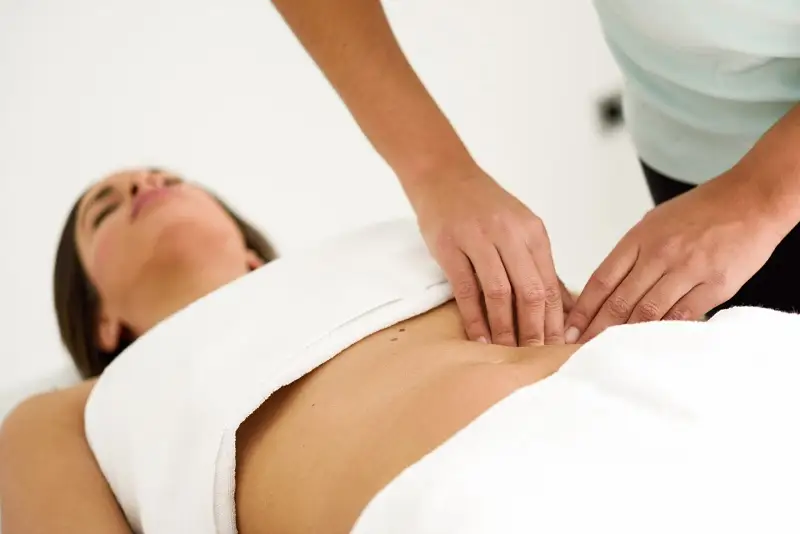
| Massage type | Should be a gentle lymphatic drainage massage only – no deep pressure. |
| Golden Rule | Never begins without surgeon clearance – it’s recovery dependent, not fixed timing. |
Understanding What Happens After Surgery
Both tummy tucks and liposuction include trauma to your tissues. During these methods:
- Liposuction disrupts fat cells and small lymphatic vessels.
- A tummy tuck (abdominoplasty) eliminates massive skin, compresses muscles, and often cuts through lymphatic channels that support fluid drainage from your stomach.
As your body recovers, it naturally sends immune cells and fluid to the surgical region to restore tissue, resulting in swelling, bruising, and a feeling of heaviness. These responses are normal – but your lymphatic system can become overwhelmed. That’s where manual lymphatic drainage comes in.
When Should You Start Lymphatic Drainage After Surgery?
The perfect period is based on your surgeon’s protocol, your recovery progress, and whether you have invasive drains in place. Here is a general timeline depending on medical instruction and plastic surgery healing professionals:
Weekly 01 (Days 1 to 7): Rest & Repair
- Concentrates on rest, hydration, and walking short distances to stimulate flow.
- Massage is not generally done on treated regions, yet especially if you still have drains in position.
- You can begin deep diaphragmatic breathing, which supports internal lymph circulation without touching your skin.
Weekly 02 (Days 8 to 14): Initial Massage Phase
- Once your surgeon eliminates drains and ensures your cuts are sealed and inflammation-free, you can generally start your initial lymphatic drainage session – often between day 10 and day 14.
- Earlier massage supports ‘‘reroute’’ liquid through alternative lymph pathways and decreases pressure on recovery marks.
- If completely recovered, treatments can introduce scar tissue mobilization alongside drainage.
Weekly 03 to 04: Intensive Support Phase
- This is the most important time for shaping your outcomes.
- Your body starts to create fibroid tissue, so persistent therapy – 1 to 2 sessions per week. It can soften hardness and even out sculpts.
- If fully recovered, therapists can introduce scar tissue mobilization alongside drainage.
Weekly 05 to 06 and Beyond: Maintenance
- Most swelling comforts, but liquid that can still collect – especially at day’s end.
- Massage frequency has eased to once a week or bi-weekly, based on how you feel.
- Resuming these sessions decreases fibrosis and improves blood and lymph circulation.
According to post-surgery professionals, multiple individuals report their healing feels lighter and more comfortable when LDM is started within the first 1 to 3 weeks after surgery, with clinical clearance.
How Often Must You Get Lymphatic Massage?
Healing stage |
Suggested frequency |
Purpose |
| First 2 weeks | 2 to 4 sessions per week | Lowers swelling, avoids fluid buildup, and helps with earlier recovery. |
| Weeks 3 to 6 | 1 to 2 sessions per week | Enhances lymph circulation, decreases fibrosis, and enhances body sculpting outcomes. |
| Total sessions | Range | Based on |
| Overall treatment plan | 10 to 20 sessions | Surgery type, swelling phases, recovery speed, and the surgeon’s protocol. |
Risks of Starting Too Early or Too Late
Timing is essential for initiating lymphatic drainage; too soon, it can stress recovery tissues, while delaying it can reduce healing and increase risks, such as swelling and tissue hardening. Proper scheduling depends on your surgeon’s suggestion, which confirms the safest and best aesthetic results.
Timing |
Risks |
What Can Happen? |
| Too Early | Tissue irritation or damage | Fresh surgical tissue is still fragile; earlier deep massage might cause pain, disrupt recovery, or lead to higher bruising and infection. |
| Too Late | Extended swelling and fibrosis | Delayed lymphatic stimulation can lead to liquid retention, harder mark tissues (fibrosis), uneven sculpting, and slower overall healing. |
Signs You Need Lymphatic Drainage Massage
- Consistent swelling that does not enhance with time, especially after the initial week of surgery.
- Sensation of heaviness or tightness in the addressed area, making movement or comfort difficult.
- Noticeable fluid retention or puffiness, where the skin looks swollen, stretched, or uneven.
- Decreased skin softness or uneven sculpts, where treated regions feel stiff or irregular.
- Gradually, overall healing progress involves a delayed return to normal activity or mobility.
- Mild warmth or a feeling in the surgical site due to liquid accumulation.
Lymphatic Drainage massage is commonly suggested when these signs are consistent, as it supports and promotes lymph circulation, decreases swelling, and avoids fibrosis and more even recovery outcomes after aesthetic surgery.
Tummy Tuck Vs Liposuction Recovery – Massage Differences
Factors |
Tummy tuck |
Liposuction |
| Invasiveness | More invasive (muscle tightening + skin reduction). | Minimal surgical fat removal only. |
| Start time for the massage | 7 to 10 days postoperative. | 3 to 5 days post op in most cases. |
| Massage intensity | Very gentle and cautious because of sutures and tight tissues. | Gentle but more persistent drainage pressure permitted. |
| Frequency | 2 to 3 sessions per week. | 2 to 4 sessions per week initially. |
| Swelling duration | Longer than can last weeks to months. | Shorter, generally 1 to 3 weeks. |
| Pain sensitivity | Higher because of cuts and muscle restoration. | Typically mild to moderate soreness. |
| Main concentration of massage | Guard cuts, support deep recovery, lower internal swelling. | Lowers fluid buildup, avoid uneven sculpting, and enhances smoothness. |
Don’t Wait, Drain the Swelling Away — Book Your Post-Surgery Lymphatic Care Today!
Book your lymphatic drainage massage at the perfect time with our expert massagers to reveal smoother, quicker, and easier healing. Do not delay the care your body requires – earlier and persistent lymphatic drainage can make a potential plan today at Enfield Royal Clinic. Book your personalized appointment and get to know the details about when to get a lymphatic drainage massage after a tummy tuck and liposuction. Give your body the aid it needs for optimal recovery and refine outcomes.
FAQs
How many sessions are generally required after a tummy tuck and lipo?
Many individuals need 8 to 12 sessions, based on the length of surgery and recovery progress.
What happens if I delay lymphatic drainage massage?
Delaying might lead to extended swelling, fluid buildup, and slower overall healing.
Can lymphatic drainage support decrease swelling and bruising?
Yes, it supports speeding up liquid reduction, lowers tHE swelling, and decreases post-surgical bruising.
Is lymphatic drainage massage painful?
No, it must be very gentle. A few mild discomforts might happen because of post-surgical sensitivity.
How often must I get a lymphatic drainage massage after surgery?
Generally, 2 to 4 sessions per week in the first 2 weeks, then slowly decrease based on recovery.