
Do burn scars leave the skin tight or uneven in ways that trouble you? Many people share similar difficulties after burns, but you can get relief. Burn reconstructive surgery in Riyadh offers a targeted solution to tissue loss and restricted areas. It rebuilds the damaged zones so both appearance and ease of movement improve. Whether your issues relate to contractures, thin coverage or contour changes, support remains available. At Enfield Royal Clinic, our specialists use skin grafting, tissue expansion, microsurgery, flaps or scar release to free tight areas and improve contour.
Read further to discover about the treatment.
Procedure Time
1 - 8 Hours
Downtime
3 - 7 Days
Cost
SAR 2,000 to SAR 45,000
Results
1 Year
Table of Contents
What is Burns Reconstruction Surgery?
Burn reconstructive surgery is a surgical procedure that treats restrictive skin deformities after severe burn injuries. It treats tight scars around joints eyelids or mouth. These rigid scars interfere with normal daily activity. Healthy tissue replaces restrictive scar tissue while preserving blood supply. This new tissue allows gradual progress through staged operations. Full functional recovery also requires consistent physical therapy over a longer duration. The ultimate goal remains better overall mobility with reduced daily strain.
Whta Does it Treat?
A burn reconstructive surgery usually addresses the following concerns:
- Burn scar contractures (tight scar bands that limit movement)
- Hypertrophic scarring (raised thick scars)
- Cicatricial ectropion (eyelid pull that exposes the eye)
- Microstomia (tightening of the mouth opening)
- Web space syndactyly (fingers or toes joined by scar)
- Joint flexion contractures (joints bent and restricted by scar)
- Post-burn alopecia (hair loss from burned scalp)
- Exposed tendons or joints (structures left without skin cover)
- Unstable scar ulceration (scars that keep developing open sores )
- Facial aesthetic unit distortion (uneven facial features from scarring)
Don’t let Trauma Shetter Your Self Confidence - Book a Consultation with an Expert Today!
Types of Burn Reconstructive Surgery
Riyadh offers multiple choices for burn surgeries. Each option depends on the burn depth and the person’s own needs. Below is the brief description of how each technique works:
Skin Grafting
Skin grafting transfers thin layers of healthy skin from one body area to cover a burn wound. It works well for broad open surfaces after scar release. This method differs from flaps because the tissue arrives without its own blood supply.
Flap Surgery
Flap surgery moves nearby skin and soft tissue that still carries its blood flow to fill a defect. Surgeons choose it when deeper structures need durable cover after severe burns. Unlike simple grafts it brings living tissue with better thickness and resilience.
Tissue Expansion
Tissue expansion gently stretches healthy skin near a burn scar over weeks using a small balloon device. The extra skin then covers the area once the scar is removed. This approach creates matching colour and texture that grafts cannot match as closely.
Scar Release
Scar release carefully divides tight bands of mature burn scar that pull on joints or features. The goal is to restore natural movement and comfort. It often needs a graft or flap afterward which sets it apart from pure coverage techniques.
Microsurgery
Microsurgery is used for large or complex burn defects where local tissue is not enough. Surgeons reconnect tiny blood vessels under a microscope to transfer distant tissue. It differs from standard flaps by allowing free movement of tissue from far sites.
Before After Results
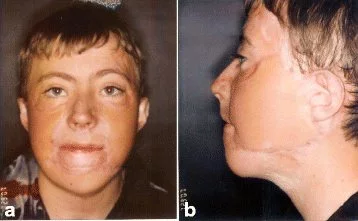
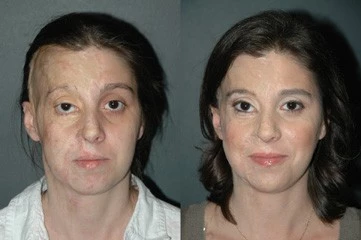
What Are the Levels of Burn?
Levels of burn | What Does It Involves? |
1st degree burn | Affects only the outer skin layer and usually heals without lasting marks. |
2nd degree burn | Reaches into the second skin layer and often forms blisters that need care |
3rd degree burn | Damages all skin layers and typically requires surgical support to heal. |
4th degree burn | Goes beyond the skin into muscle or bone and needs specialised reconstruction. |
Pre Care Instructions
Burn reconstructive surgery delivers both physical and emotional relief. Some of the benefits it offers are as follows:
Restored Mobility
The release of tight scars allows freer motion in affected joints and limbs.
Everyday Ease
Eliminates many barriers that make simple tasks like dressing or reaching difficult.
Eye Surface Safety
Reduces the risk of corneal exposure through careful correction of eyelid tightness.
Oral Comfort
Allows easier eating and speaking by releasing restrictive tissue around the mouth.
Scar Flexibility
Softens the restrictive feel of settled scars so the skin moves more naturally.
Functional Independence
Supports a return to work and daily routines once movement has improved.
Personal Confidence
Builds greater comfort in social and practical settings through better physical function.
Who is Ideal Candidate?
While each surgery is unique, the following individuals are well suited for it:
- Adults with mature burn scars limiting joint range of motion.
- Patients whose tight contractures limit everyday tasks like dressing.
- People with fully softened scars after the active healing phase.
- Those with eyelid pull that risk eye surface damage.
- Individuals with microstomia causing trouble with eating or speech.
- Candidates in stable general health prepared for elective surgery.
- Patients who gained little from therapy or pressure garments alone.
- People seeking restored function once scars have fully matured.
How to Prepare for Burn Reconstructive Surgery?
Taking simple steps before surgery can improve results. The following pre-surgery tips will prepare you for the procedure:
- Confirm scars have softened and stopped thickening.
- Share which tight areas most limit daily activities.
- Increase protein intake in the weeks before surgery.
- Cease nicotine use at least four weeks prior.
- Practice prescribed stretches to keep joints mobile.
- Stabilize blood sugar if diabetes is present.
- Apply prescribed moisturizers to prepare scar tissue.
- Arrange support for limited movement after surgery
What to Expect During Burn Reconstructive Surgery?
The surgery proceeds in a planned sequence. Here is what to expect at each stage:
Assessment
The procedure starts with a careful check of the healed scars. The team also reviews movement limits and overall skin condition to see what needs attention.
Planning
After that a clear plan is made with the patient. The team selects the simplest reliable method that can restore comfort and function.
Scheduling
Next surgery is set after the scars have matured. This often happens several months later so the tissue is softer and safer to work with.
Preparation and anesthesia
Then the patient receives final checks. Staff position the patient for the operation and anesthesia is given so the procedure can proceed without discomfort.
Contracture release
After anesthesia administration, tight scar bands that limit movement are gently released. This is done by careful incision or limited removal of the restricting tissue.
Coverage of the area
After the release the open space is closed. Nearby skin rearrangement a skin graft or a carefully chosen flap is used.
Closing and dressing
Following that the new tissue is secured in place. The area is protected with dressings and careful recovery starts under close observation.
Recovery and follow-up
Finally physical therapy, gentle scar care and regular visits continue. Healing stays smooth and mobility improves over time.
How to Care for Yourself After Surgery?
Follow these aftercare steps to support your healing and recovery process:
- Wear your snug compression clothing daily to help smooth out healing skin.
- Use soft silicone sheets to make your scars feel smoother.
- Keep new skin grafts completely out of direct sunlight.
- Do gentle stretches every day so your body stays flexible.
- Put on gentle, doctor-approved moisturizers to keep your skin soft.
Recovery Timeline
Timeframe | What to expect |
Days 1-7 | Stitches are removed, and initial wound closure begins |
Weeks 2-4 | Light activity resumes, and compression garments are fitted |
Weeks 4-8 | Swelling reduces, scar massage starts, and tissue softens |
Months 2-6 | Scars fade, flexibility improves, and movement recovers |
Months 6-12 | Tissue strength enhances, and redness fades further |
Months 12+ | Tissue matures completely, and long-term function is restored |
Burn Reconstructive Surgery Cost in Riyadh
Burn reconstructive surgery costs in Riyadh fall between 2000 SAR and 45,000 SAR. Every case is different, so the cost changes accordingly. To receive a precise quote, arrange a consultation with your surgeon.
Factors Influencing the Cost
These factors usually shape the cost of the treatment:
- Extent of Tissue Damage: Larger burn areas need longer surgery.
- Complexity of Contractures: Deep joint tightness requires multi-step procedures.
- Type of Grafting Material: Custom donor tissue demands extra lab preparation.
- Anesthesia Duration: Longer operations increase medical and staffing expenses.
- Post-Operative Support: Ongoing follow-up monitoring increases cost
Does Health Insurance Cover Burn Reconstructive Surgery?
Yes, health insurance in Saudi Arabia covers burn reconstructive surgeries when medically necessary. Major insurers like Tawuniya and Cigna cover this under specific policy conditions, including burn trauma recovery, functional restoration, and prior authorization. We provide complete documentation to support your insurance claims.
Why Choose Enfield Royal Clinic?
Enfield Royal Clinic stands out because we don’t just claim precision. Our surgeons provide it through careful tissue analysis. Here are the reasons that set us apart:
- Board-Certified Specialists
Expert surgeons customize every single burn reconstructive procedure around your unique anatomy and goals.
- Modern 3D Imaging Technology
Precise digital scanning allows accurate pre-surgical planning and visualization before your tissue repair begins.
- Customized Healing Protocols
Tailored post-operative care plans focus heavily on protecting your comfort and long-term recovery.
- Proven Tissue Restoration
Consistent surgical techniques deliver natural aesthetic results and safely restore functional mobility for survivors.
- Advanced Scar Revision
Specialized surgical methods safely release tight scar contractures to significantly improve everyday physical flexibility.
- Precision Skin Grafting
Carefully matched donor tissue is applied securely to heal deep wounds and protect fragile areas.
Book an Appointment!
Say goodbye to lasting physical restrictions and skin damage with comprehensive burn reconstructive surgery. Whether you need scar revision, skin grafts, or complex tissue repairs, we treat all. Specialists at Enfield Royal Clinic focus on restoring your comfort, functionality, and confidence through customized care protocols. Secure your spot before availability runs out. Connect with our team today at +966 11 487 9071 or submit our online form to get started.
FAQs.
A burn surgery is called burn reconstruction or postburn reconstruction surgery. The aim of this surgery is to restore function and appearance after severe burns.
Options include skin grafts, local flaps, tissue expansion, and free flaps. The right option is selected based on scar depth location and available donor skin.
The success rate of skin grafts after burns is around 73-83%, according to studies reported. Grafts heal safely when the treated wound remains entirely infection-free.
Most 2nd-degree burns heal without grafts. However, if the deeper partial thickness fails to recover in 2-3 weeks, then skin grafting can help.
A burn reconstructive surgery is moderately painful. However, the medications usually managed this discomfort.
The initial healing process takes 3 weeks. Complete color blending and scar maturation will require several more months to fully settle.